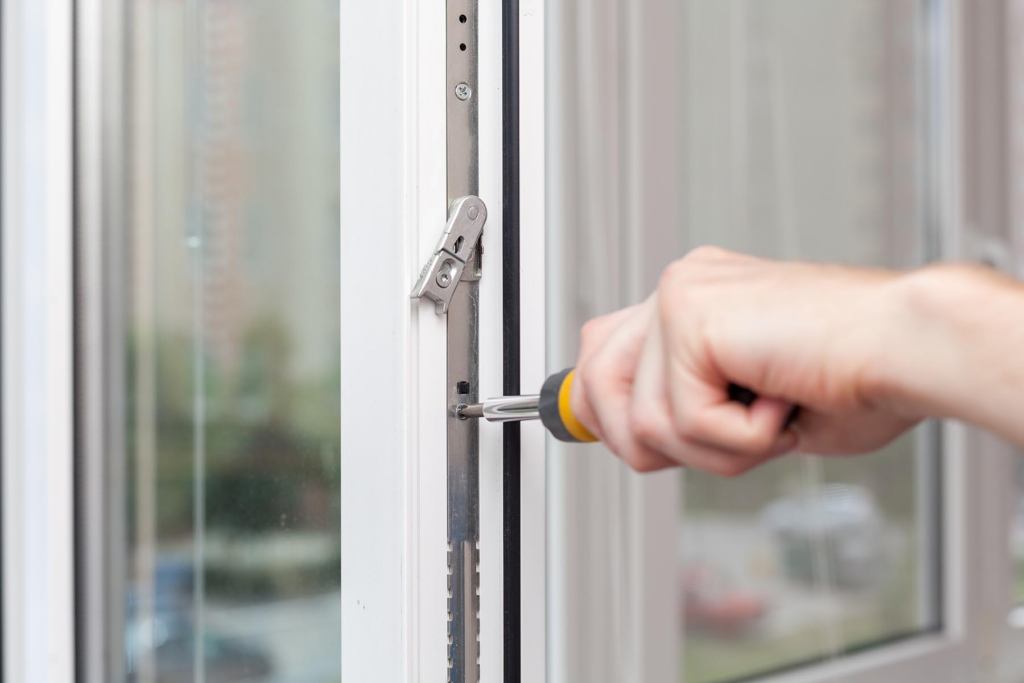
Emergency Window Repair: A Comprehensive Guide
Windows play a necessary role in a property's aesthetic appeals, energy effectiveness, and security. When catastrophe strikes-- whether due to a storm, vandalism, or unintentional breakage-- emergency window repair becomes a pressing issue. Understanding how to deal with such scenarios effectively can conserve time, cash, and additional damage. This article explores the process of emergency window repair, highlighting important steps, products, and common FAQs.
Importance of Emergency Window Repair
Emergency window repair is not merely about aesthetic appeals. The seriousness often comes from the requirement to protect one's home and ensure the security of its occupants. Here are some critical reasons instant action is essential:
- Security Risks: A broken window can supply easy access for intruders.
- Weather Protection: Broken glass can expose interiors to the aspects, causing potential water damage and increased energy costs.
- Injury Prevention: Sharp glass fragments can pose injury threats to both homeowners and pets.
- Property Preservation: Timely repair work help in maintaining the overall stability of a building.
Immediate Steps for Emergency Window Repair
1. Safety First
Before attending to the harmed window, security needs to be the concern.
- Wear Protective Gear: Gloves and safety glasses are vital to avoid cuts and injuries.
- Examine the Damage: Determine whether the frame is reusable or requires replacement.
2. Securing the Area
After guaranteeing individual safety, the next action is securing the location:
- Remove Debris: Carefully clear any glass fragments or particles from the vicinity.
- Board Up (If Necessary): If the window is extensive, use a piece of plywood to cover the opening temporarily. This step is necessary for security and to prevent more damage from weather.
3. Short-term Repairs
For immediate waterproofing and safety, you may want to implement some short-lived repairs:
- Plastic Sheeting: Duct tape and plastic sheets can offer a barrier versus weather elements.
- Insulation: If you have insulation materials, including them around the damaged location can avoid drafts.
4. Contact Professionals
If the damage is extensive or your skills in managing repairs are restricted, it's prudent to call a professional window repair service. They can examine the situation correctly, ensuring that repair work satisfy security codes and standards.
Types of Window Damage & & Repair Solutions
Table 1: Types of Window Damage & & Their Solutions
| Kind of Damage | Description | Possible Repairs |
|---|---|---|
| Broken Glass Pane | Fractures or shattered glass in a pane | Replacement of the glass pane |
| Damaged Frame | Decomposed or warped window frame | Repairing/painting the frame or total replacement |
| Draft Issues | Spaces or cracks triggering air leaks | Weather-stripping/caulking |
| Foggy Windows | Stopped working seal triggering condensation between panes | Change the insulated glass unit (IGU) |
| Cracked Sealant | Deteriorated sealant around the window edges | Getting rid of old sealant and applying fresh caulk |
Long-lasting Repairs and Maintenance
As soon as instant repairs have resolved security issues, preparing for long-lasting options is important. The following actions can help in sustaining window integrity and performance:
Regular Inspections
Conduct routine checks for signs of wear, including:
- Cracks in glass or frame
- Condensation between panes
- Deteriorating sealant
Weatherproofing
To improve window durability:
- Use premium caulk to seal spaces
- Install storm windows for extra protection
- Regularly paint or deal with wood frames to prevent rot
Professional Maintenance
Engage a window professional for yearly examinations and maintenance procedures. This proactive technique can address small issues before they intensify.
Regularly Asked Questions (FAQs)
1. How do I know if I need to change or repair my window?
If minor concerns such as small fractures or broken seals are present, repair work may be enough. Nevertheless, if the frame is jeopardized or numerous panes are broken, replacement is likely more effective.
2. Can I perform short-term repairs on my own, or should I hire a professional?
While momentary repairs like boarding up or using caulking can be done individually, seeking advice from a professional for significant damage is highly suggested for safety and compliance.
3. How long can I wait before making long-term repairs?
It's best to make long-term repairs as quickly as possible to lessen damage and expenses. Postponing might lead to increased security dangers and extra damage.
4. Is property owner's insurance coverage useful for window repair work?
In a lot of cases, homeowner's insurance coverage can cover window repair work due to storms or vandalism. Commercial Property Window Doctor 's recommended to examine policy specifics and consult your insurance agent.
5. What materials should I keep on hand for emergency repairs?
Having a fundamental emergency repair set can be advantageous:
- Plywood or heavy plastic sheets
- Duct tape
- Gloves and shatterproof glass
- Basic tools (screwdriver, hammer, and so on)
- A contact list for professional services
The requirement for emergency window repair can emerge all of a sudden, making it vital to be prepared. With proper safety steps, short-lived options, and an understanding of when professional help is needed, homeowners can effectively manage the crisis. By devoting to regular maintenance and examinations, the durability and performance of windows can be maintained, including to the total security and comfort of the home.